Far Far West 4-Player Co-op Guide: Souls, Bosses & Objectives

A chaotic four-player Far Far West co-op run featuring Borderlands and Helldivers comparisons, soul gambling, tower exploration, door interactions, a saloon boss, pumpkin objectives, great bell restoration, moving signal zones, and weak-spot ammo refunds.
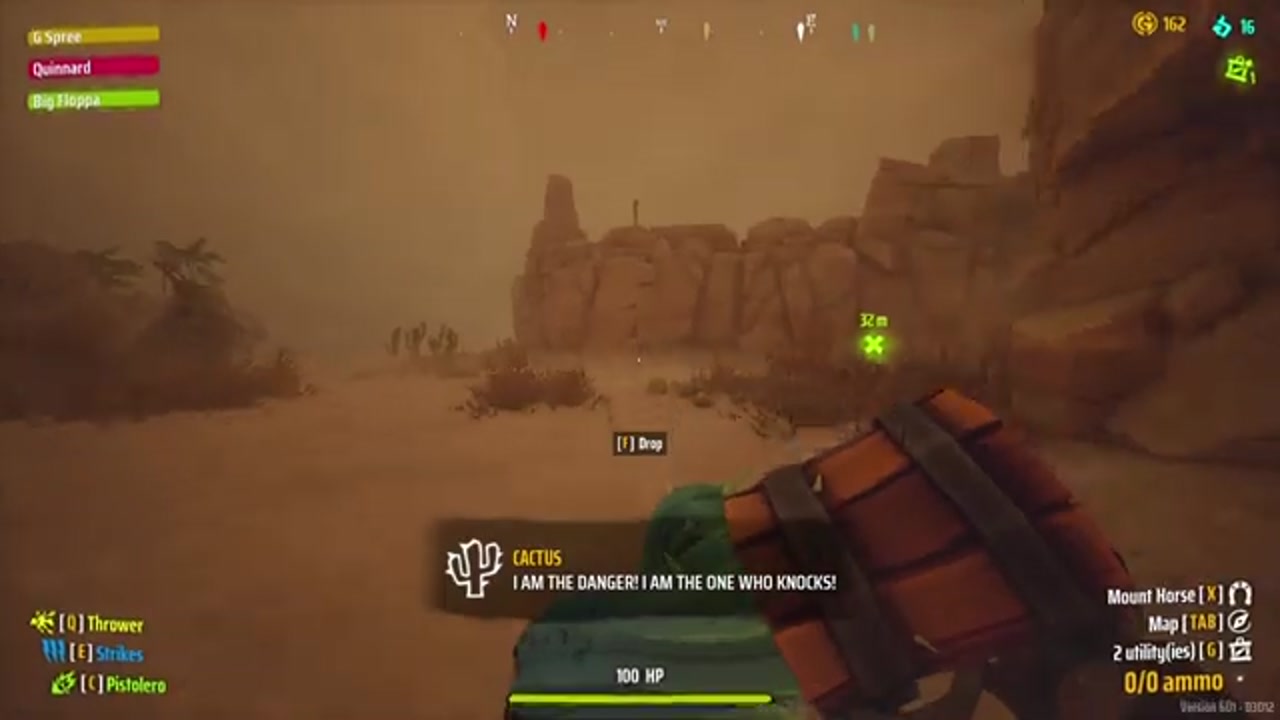
This is what happens when four friends try to run Far Far West like a serious co-op mission and immediately get distracted by everything else. The squad still clears objectives, fights bosses, restores a giant bell, downloads data through a moving signal zone, and discovers a few useful mechanics — but the real story is the conversation happening around the game.
Four Players, One Objective, Zero Focus
The opening sets the tone immediately: improvised jokes, exaggerated callouts, and a shared plan to “honky-talk” the squad's way to the objective. The team moves through the wasteland together, but nobody stays on topic for long.
That is the appeal of this run. It is not a polished build showcase or a step-by-step tutorial. It is a real multiplayer session where players are learning, arguing, improvising, and occasionally remembering what the mission actually asked them to do.
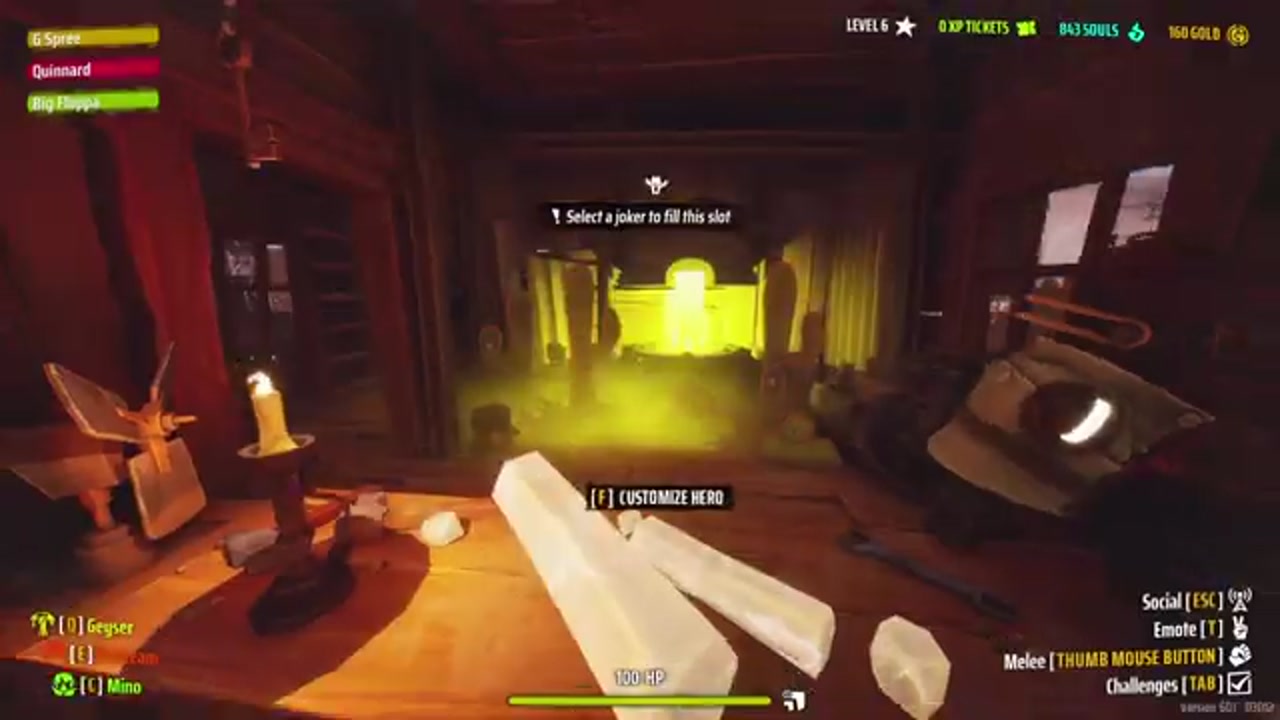
The Borderlands, Helldivers, and Lethal Company Conversation
Every co-op game eventually gets compared to something else, and this squad cycles through the usual suspects:
- Borderlands, because of the guns and co-op combat
- Lethal Company, because of the chaotic group energy
- Repo, because the players are trying to identify the closest comparison
- Helldivers, which eventually becomes the answer everyone can agree on
The comparison is less about finding a perfect genre label and more about how players describe a game while they are still figuring it out. Far Far West has weapons, objectives, extraction-style pressure, and a lot of room for things to go wrong — but its strange western setting gives the whole loop its own identity.
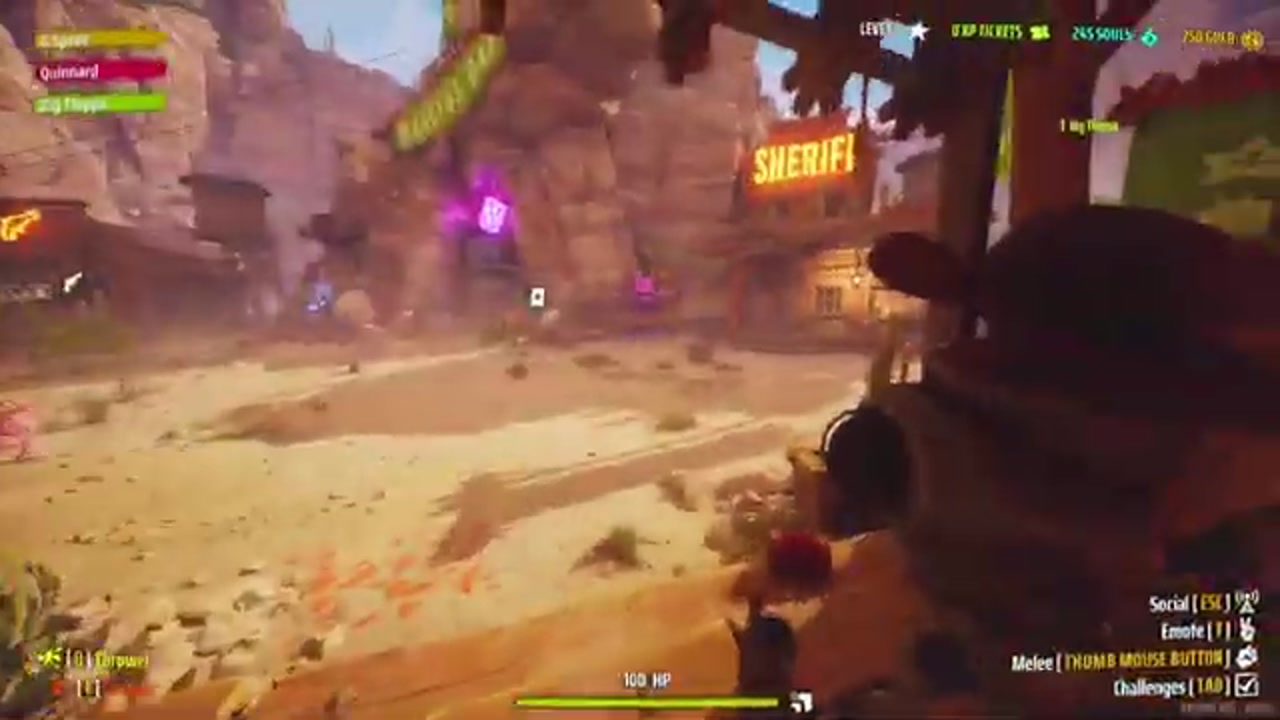
Souls, Gambling, and the First Useful Discovery
One player asks the question many new players will eventually ask:
“What do I do with souls? I have 843.”
The answer is simple: gamble them. Later, the squad finds a well, puts gold into it, and receives free souls. The reaction is immediate — everyone decides that gambling always works and that they are suddenly rich.
It is a small moment, but it shows how Far Far West's systems are discovered in co-op. One player asks, another answers, and the group tests the mechanic together instead of stopping to read a guide.
Environmental Weirdness Is Better With Friends
The squad repeatedly gets distracted by details that would be easy to ignore in a solo run:
- Birds appearing from rocks
- Frozen water in the desert
- Trains and unusual environmental structures
- Characters and props that look like they belong in a different game
- Players getting launched into cacti
None of these moments is the mission objective, but they become the shared highlights of the run. The world is not just a route between fights; it is a source of constant visual jokes and unexpected discoveries.
The Tower Question and Learning the Game Together
At one point, the squad starts trying to work out how to get up a tower while continuing the broader conversation about what game Far Far West resembles. It is a familiar multiplayer moment: everyone knows there is probably something useful up there, but nobody is completely sure how the interaction works.
That uncertainty is part of the early co-op experience. Players are learning the map, testing interactions, and passing information back and forth. The session is messy, but the group keeps moving instead of turning every unknown into a reason to stop.
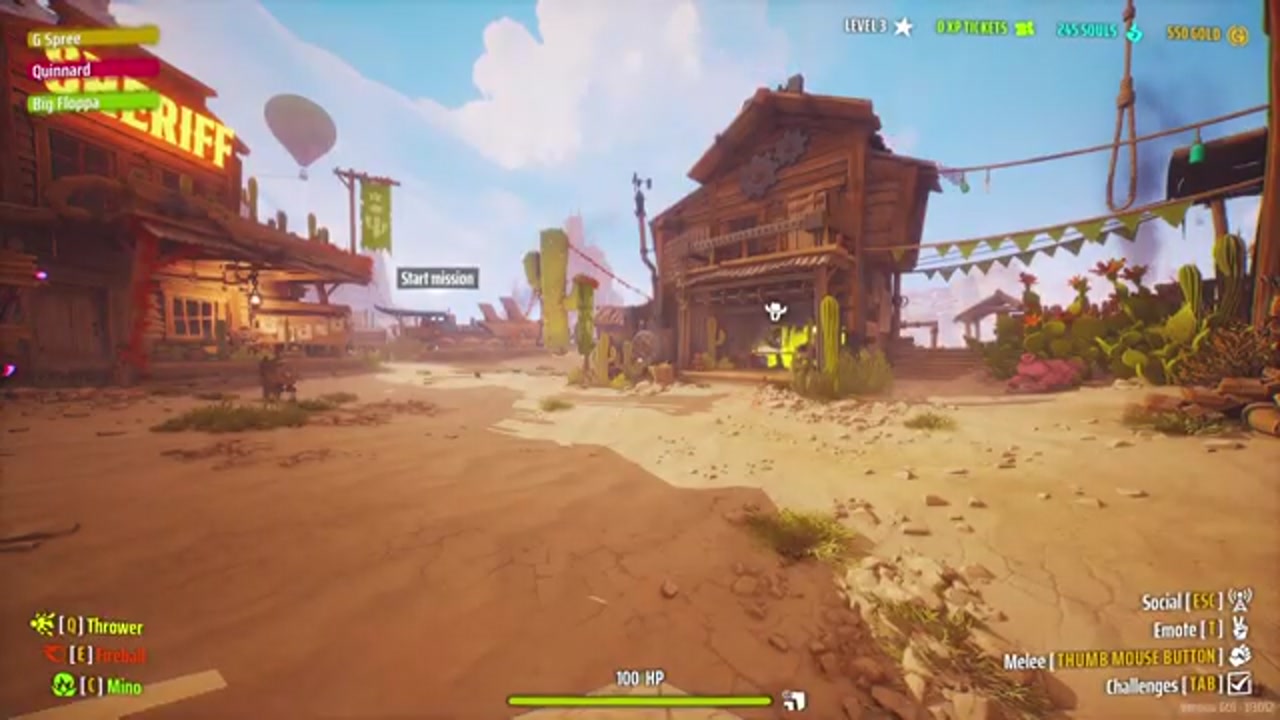
Photo Mode, VTubers, and a Complete Conversation Detour
The game briefly becomes a backdrop for a much longer discussion about third-person controls, removing the character's hood, VTubers, real-time rotoscoping, and AI-generated avatars.
The squad guesses at controls such as F5 and F3 based on other games, then moves into a conversation about why VTuber models are interesting, how full-body capture works, and whether AI VTubers will replace traditional students or performers in the future.
It has almost nothing to do with the mission. That is exactly why it feels authentic. Multiplayer groups talk about whatever is on their minds while the game continues in the background.
Doors, Bosses, and the Saloon Fight
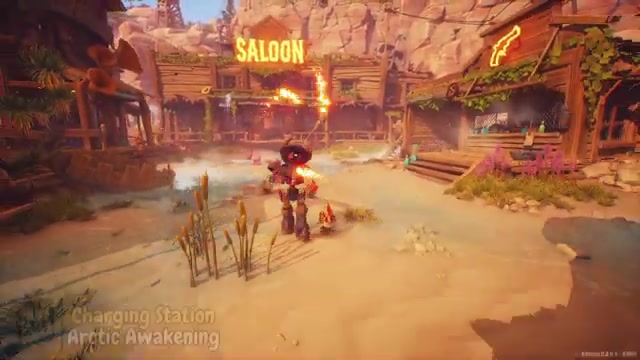
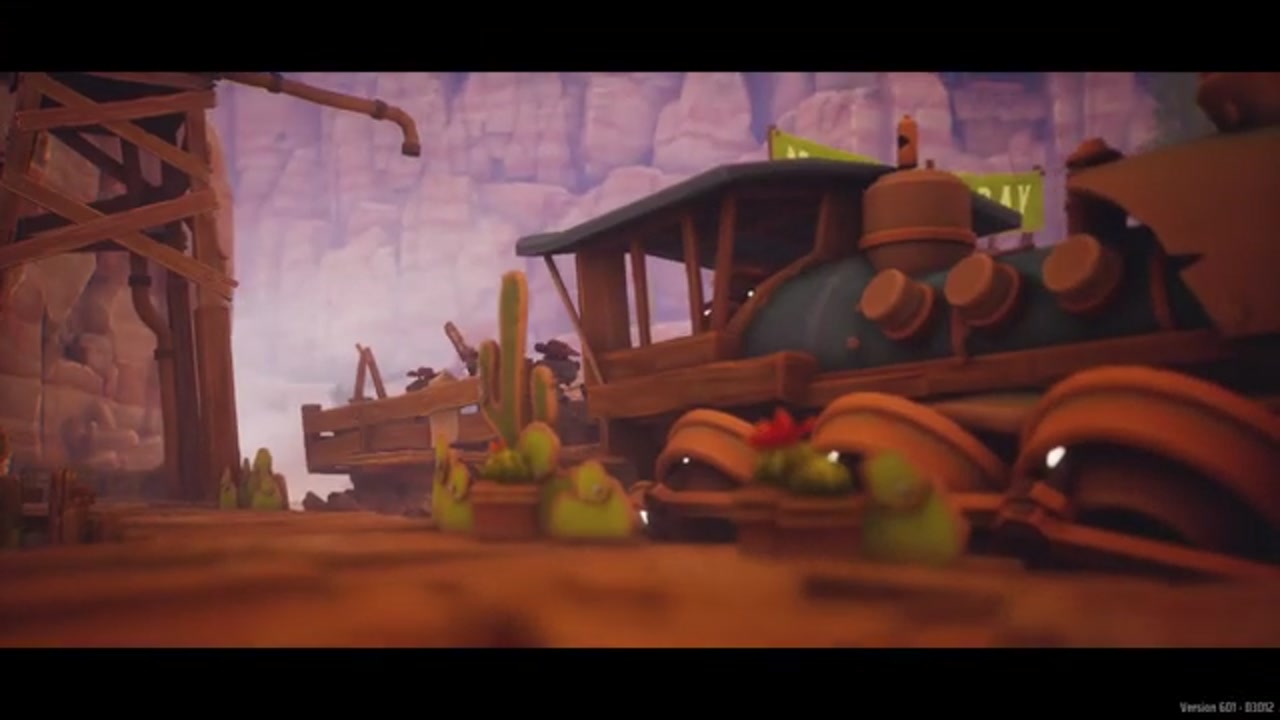
The group discovers that doors have more interaction potential than expected, then heads toward the saloon for a boss fight. The players remember the encounter as one of the coolest fights from the demo, although the memory is immediately questioned because nobody can agree on what happened.
The boss fight is a good example of the video's overall rhythm: combat starts, somebody makes a strange callout, another player gets launched or separated, and the squad reforms while continuing to joke. Even when the run becomes chaotic, the team still manages to keep the objective alive.
The Pumpkin Objective: Interact, Don't Shoot
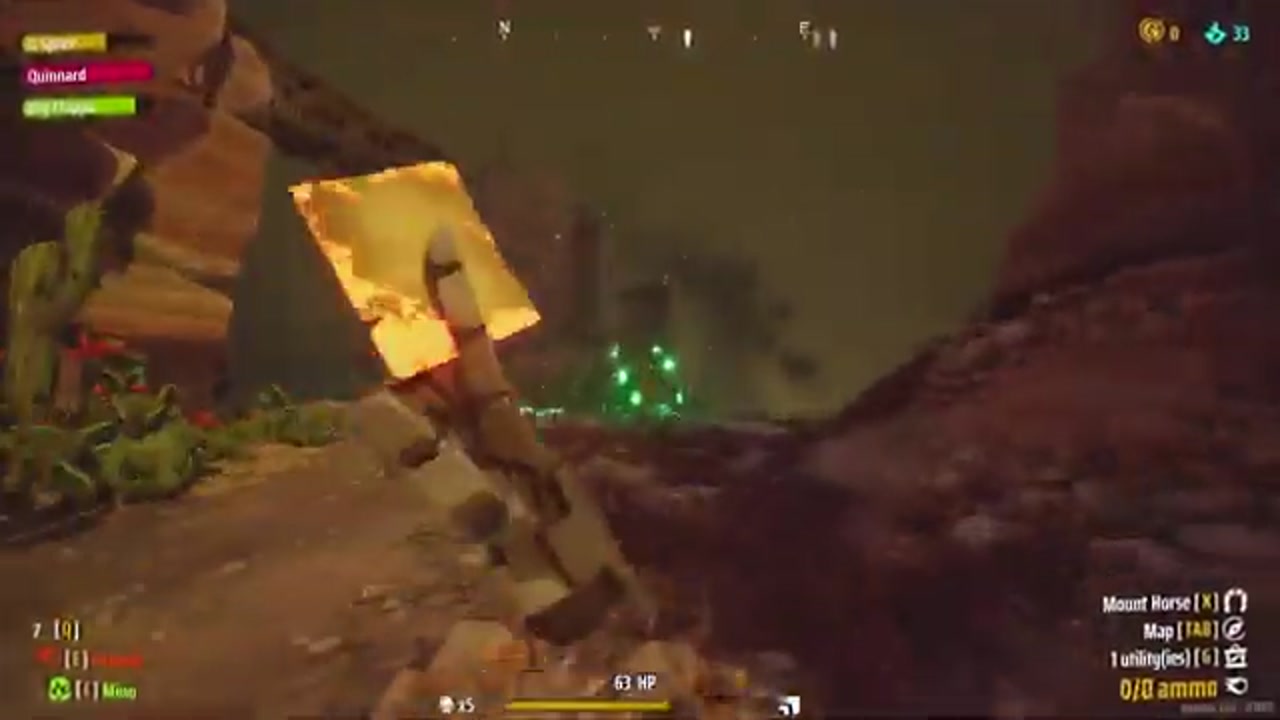
One of the clearest gameplay discoveries comes during a pumpkin-related objective. The squad initially tries smashing the pumpkins, then realizes the correct solution is to walk up and interact with them rather than shoot or destroy them.
That small mistake captures one of the recurring themes of the run: Far Far West's objectives are not always solved by applying more firepower. Players have to notice the interaction prompt, understand the environment, and communicate what they are seeing.
Restoring the Great Bell
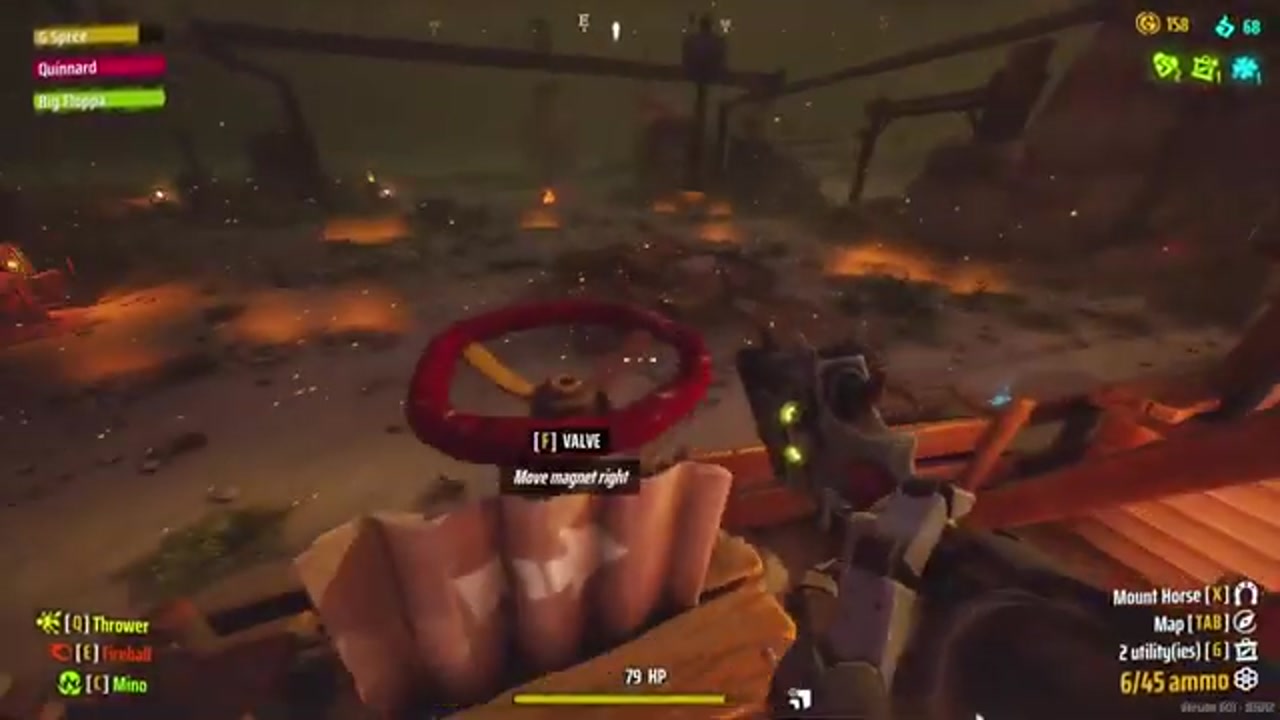
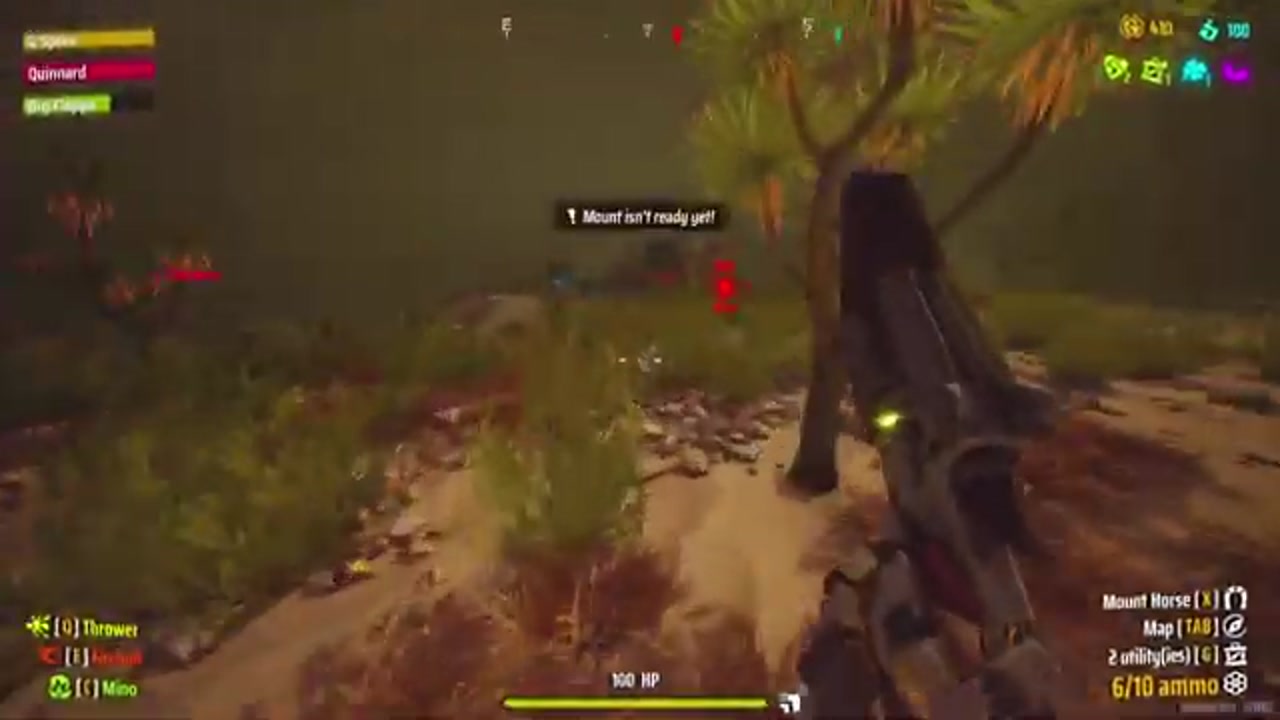
Later, the squad reaches a large objective involving a cannon and a giant bell. After realizing that the bell needs pieces collected from around the map, the players shift from simply fighting enemies to searching for the missing components.
The mission has no strict time limit, which the group appreciates. That gives the squad room to explore, make mistakes, get distracted, and still return to the main objective without being punished by an invisible countdown.
The Moving Signal Zone
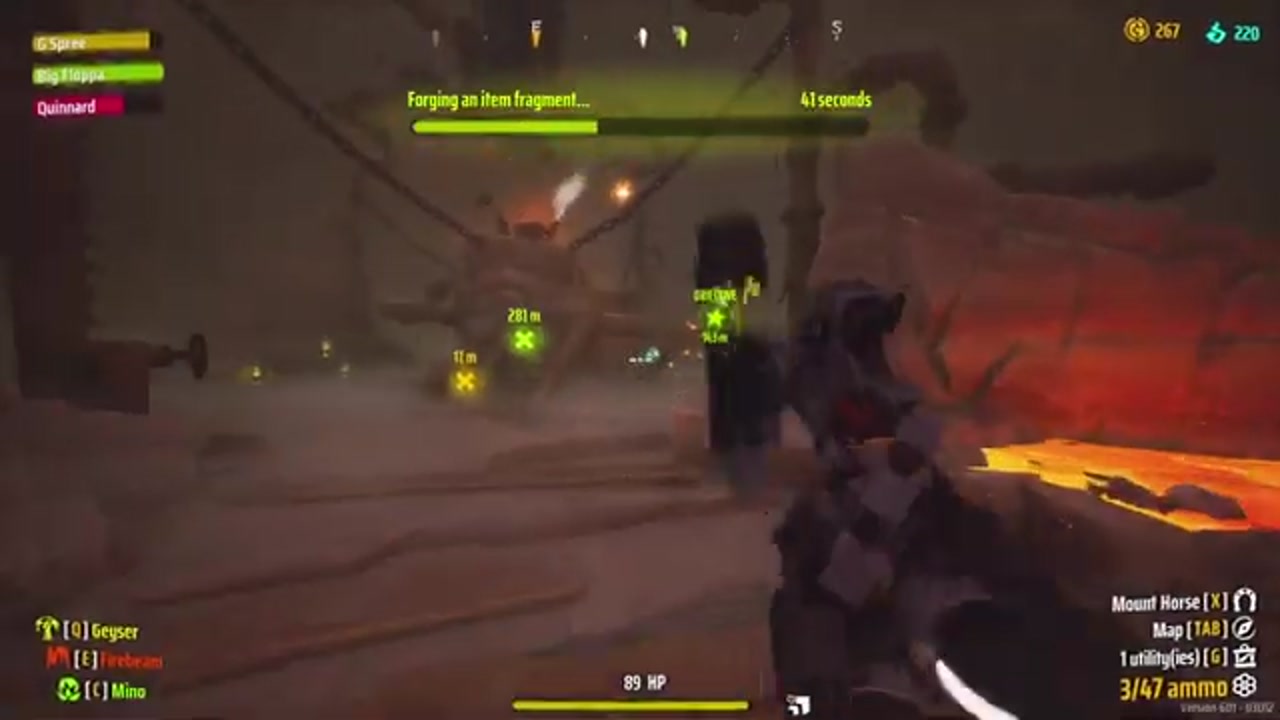
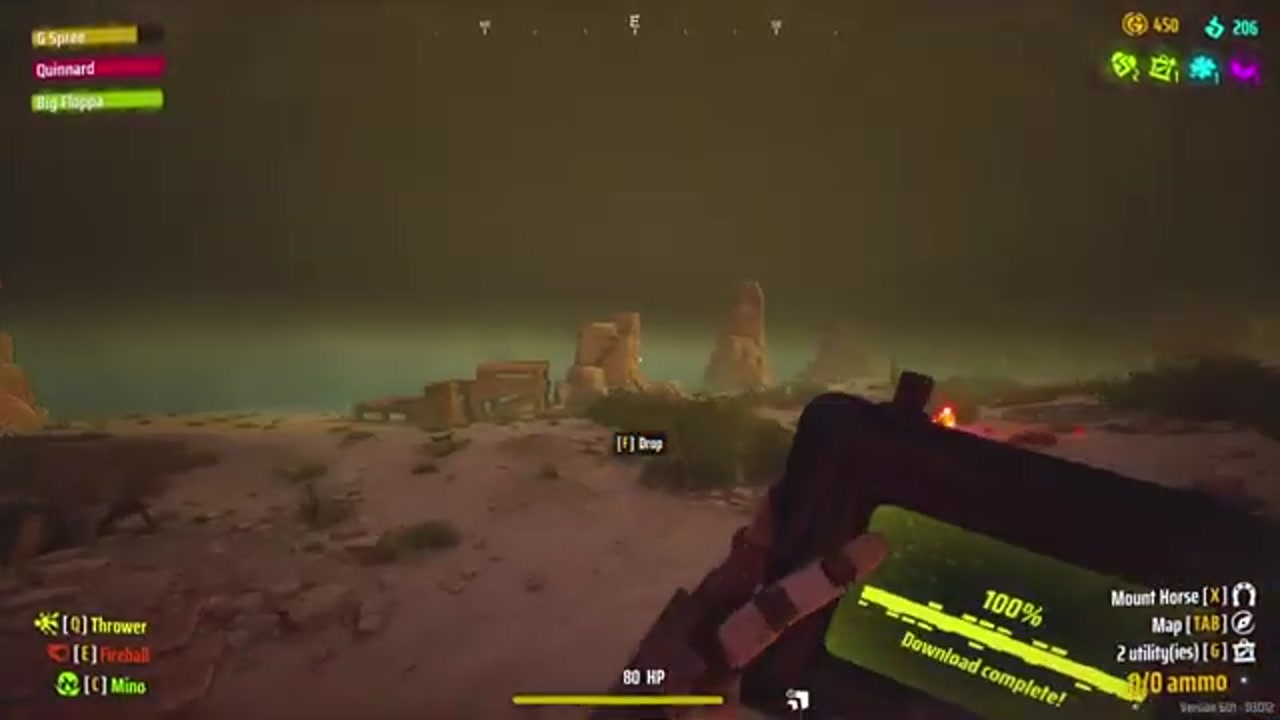
Another objective asks the squad to stay inside a signal zone while data downloads. The zone moves, forcing everyone to follow it while dealing with enemies and environmental disruption.
The players turn the objective into an iPad and Angry Birds joke, but beneath the comedy is a useful co-op pattern: the squad has to communicate movement, watch the changing zone, and keep fighting without losing track of the download progress.
Weak Spot Refund Makes the Build Feel Better
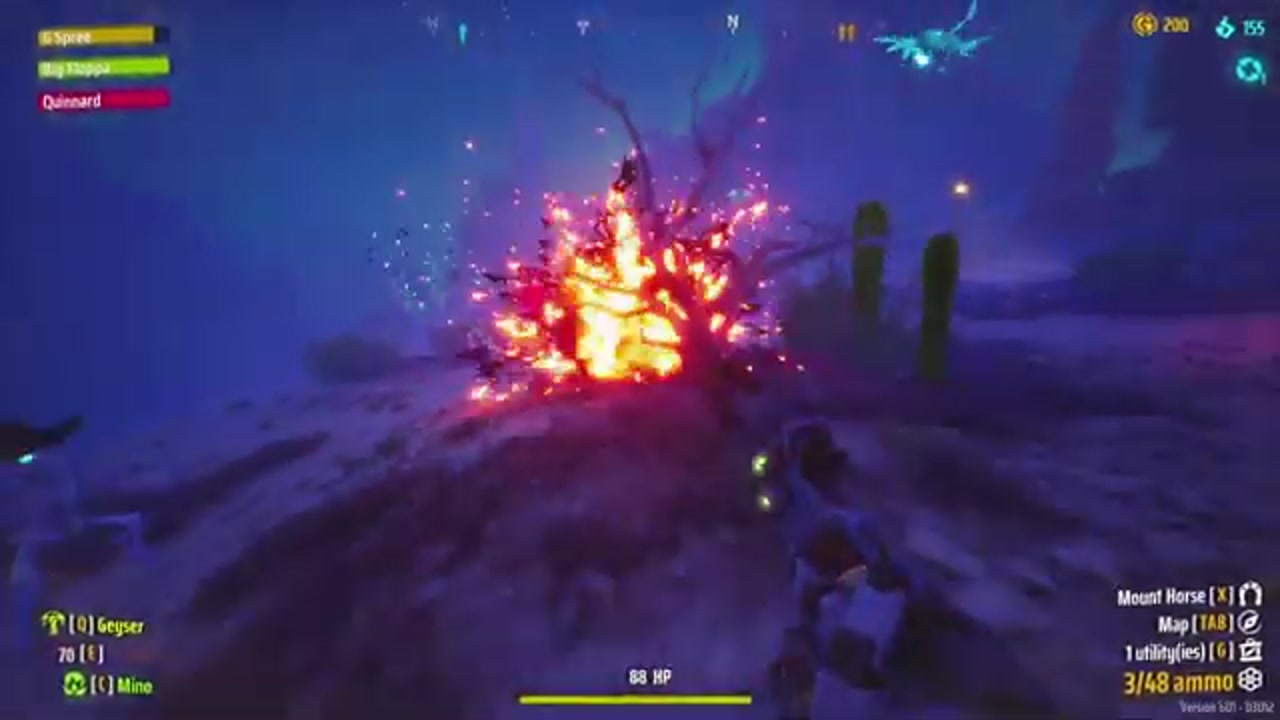
Near the end of the run, one player notices that hitting enemy weak spots returns bullets. That discovery immediately changes how satisfying the weapon feels: accurate shots are no longer just about damage, they also help solve the ammunition problem.
This is the kind of mechanic that is easy to miss until somebody experiments with it. Once the squad understands it, weak-spot accuracy becomes a practical resource tool rather than only a damage optimization.
What This Full-Squad Run Shows
| Co-op moment | What it reveals |
|---|---|
| Souls and the well | Currency systems are discovered through experimentation |
| Tower exploration | Map navigation is a group problem-solving exercise |
| Door interactions | The environment can be part of the combat toolkit |
| Pumpkin objective | Some missions require interaction instead of shooting |
| Great bell restoration | Large objectives can involve searching for scattered parts |
| Moving signal zone | Teams must communicate while following changing objectives |
| Weak-spot refunds | Accuracy can directly improve ammo economy |
The TL;DR
This is Far Far West co-op as it actually feels with friends: a little combat, a lot of wandering, constant jokes, occasional confusion, and just enough coordination to keep the mission moving.
The squad compares the game to Borderlands, Lethal Company, Repo, and Helldivers; learns how souls and gambling work; figures out that pumpkins need interaction instead of bullets; restores a giant bell; follows a moving data signal; and discovers that weak-spot hits can return ammunition.
It is not a clean tutorial, and it is not meant to be. It is a snapshot of a full multiplayer session where the mechanics are discovered naturally because four people are laughing their way through the run.
This was a chaotic four-player co-op session with real squad banter and live mechanic discovery. For the full run, check the